LinkedIn Post Strategies That Go Viral and Drive Reach
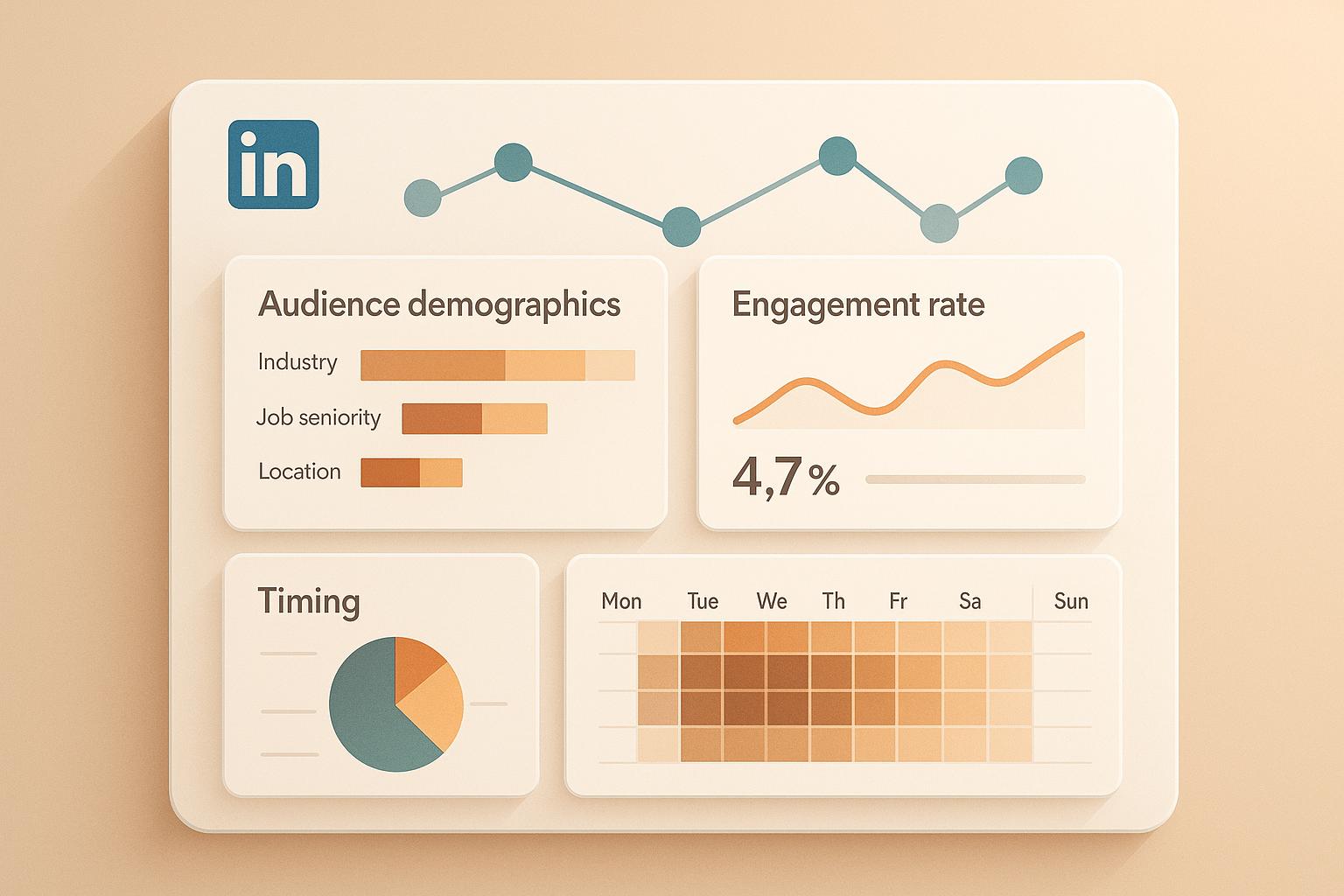
Posting on LinkedIn can feel discouraging when something well written gets little to no reach. The difference between a post that stalls and one that spreads usually comes down to a few simple mechanics, such as how quickly people engage, how long they stay on the post, and whether it sparks real comments.
Viral reach is rarely about luck or having a huge network. It is about writing in a way that earns attention and interaction fast. Use the tips below to improve visibility, get stronger engagement, and give each post a better chance of taking off.
Understanding The LinkedIn Algorithm For Maximum Reach

LinkedIn’s algorithm isn’t some mysterious black box, it’s pretty straightforward once you know what it’s looking for. The platform prioritizes three things above all else: relevance, quality, and early engagement. But here’s where most people get it wrong: they think posting more often is the answer.
The real game-changer? The first 60 to 90 minutes after you post. LinkedIn calls this the “golden hour,” and it’s when the algorithm decides whether your content deserves a wider audience or gets buried in the feed. During this window, every reaction, comment, and share acts like a vote telling LinkedIn, “Hey, this is worth showing to more people.”
How LinkedIn Prioritizes Content Distribution
LinkedIn uses a sophisticated scoring system that goes way beyond simple likes. The algorithm looks at your past performance, your connection strength with early engagers, and the type of content you’re sharing. Posts that spark meaningful conversations, those meaty, thoughtful comment threads, get pushed to second and third-degree networks faster than posts with just surface-level reactions.
Your content first gets shown to a small percentage of your connections. If they engage quickly and meaningfully, LinkedIn expands the reach. Skip the engagement test, and your post dies in obscurity. Tools like Typoro can help you nail this by optimizing your content structure before you even hit publish, ensuring your posts are primed for that crucial initial engagement.
The Role Of Dwell Time And Early Engagement
Dwell time might be the most underrated metric on LinkedIn. When someone stops scrolling, expands your “see more” button, and reads your content, LinkedIn notices. This invisible signal tells the algorithm your post has substance, it’s not just another motivational quote or recycled thought leadership.
Posts that generate longer dwell times typically share specific frameworks, tell compelling stories, or present data in visually interesting ways. And here’s a pro tip: formatting matters more than you think. Breaking up text with line breaks, using bullet points, and creating visual breathing room all increase dwell time. The longer people stick around, the more LinkedIn rewards you with extended reach into those valuable second and third-degree networks.
Crafting Headlines That Stop The Scroll
Your first 50 characters determine whether someone keeps scrolling or stops dead in their tracks. No pressure, right? The difference between a viral post and one that flops often comes down to those opening words. Forget the corporate jargon and buzzwords, what really works is specificity combined with intrigue.
The best hooks make bold claims, challenge conventional wisdom, or tease a transformation. “How I landed 5 clients in 30 days” beats “Thoughts on business development” every single time. Your headline should create a knowledge gap that readers desperately want to fill. Make them think, “I need to know how they did that.”
Power Words And Emotional Triggers
Certain words hit different on LinkedIn. “No one tells you this,” “I almost failed,” “The framework that 10x’d my results”, these phrases trigger curiosity and FOMO simultaneously. But authenticity matters. Readers can smell fake vulnerability from a mile away.
The most viral posts tap into professional insecurities and aspirations. They address the imposter syndrome everyone feels, the career pivots people dream about, or the mistakes that keep professionals up at night. When you combine emotional triggers with concrete outcomes, magic happens. Using Typoro’s Knowledge feature, you can store these powerful phrases and frameworks, ensuring your posts consistently hit these emotional notes while staying true to your voice.

Numbers And Statistics That Drive Clicks
Numbers aren’t just attention-grabbers, they’re trust builders. “7-step system” promises structure. “40+ tools” signals completeness. “3 mistakes that cost me $50K” combines specificity with stakes. Your brain can’t help but want to know what those seven steps or three mistakes are.
But random numbers won’t cut it. The most effective statistics are either surprisingly high or surprisingly low. “I spent 2 minutes a day” intrigues because it seems too good to be true. “87% of professionals make this mistake” works because it suggests you might be in that majority. Visual representations of these numbers, screenshots, dashboards, before-and-after comparisons, can push engagement rates through the roof.
Mastering Visual Content For Higher Engagement
Text-only posts are dying on LinkedIn. The data doesn’t lie: posts with images see significantly more comments, and multi-image posts can hit engagement rates of 6.6% or higher. Yet most professionals still default to walls of text, wondering why their brilliant insights go unnoticed.
The viral content mix tells a clear story. About 63% of top-performing posts use single images, 20% leverage document carousels, 11% incorporate video, and only 5% rely on text alone. Visual content doesn’t just catch the eye, it keeps people on your post longer, sending those crucial dwell-time signals to the algorithm.
Native Video Versus External Links
Here’s a truth LinkedIn doesn’t advertise: external links are engagement killers. The platform wants to keep users on-site, so posts that send people elsewhere get throttled. Native video, on the other hand, gets the red-carpet treatment from the algorithm.
Short, punchy videos with captions absolutely crush it on LinkedIn. Think 30 to 90 seconds max, with a clear hook in the first three seconds. The beauty of native video is its shareability, people love forwarding valuable video content to their teams and colleagues. Just make sure you’re adding captions: most LinkedIn users browse with sound off, and silent videos might as well be invisible.
Carousel Posts And Document Sharing
Carousels are LinkedIn’s secret weapon for viral content. They’re perfect for step-by-step guides, framework breakdowns, and case study presentations. Each swipe increases dwell time, and the algorithm loves that engagement signal.
The key to viral carousels? Make each slide valuable on its own while building toward a bigger insight. Start with a compelling cover slide that promises specific value, then deliver on that promise with clean, scannable slides. Tools that help you quickly transform ideas into polished carousels can be game-changers here. Typoro’s template features, for instance, can help you maintain consistency while cranking out carousel content that looks professional and converts.
The Art Of Storytelling In Professional Context
LinkedIn isn’t Instagram, but that doesn’t mean stories don’t work. , narrative posts consistently outperform straight advice or “thought leadership” pieces. The difference? Professional stories need a clear business takeaway. “How I did X” beats “Look at what I accomplished” every time.
The formula is simple but powerful: personal moment plus professional insight equals viral potential. Maybe you bombed a presentation and learned something about preparation. Perhaps a chance coffee meeting changed your entire career trajectory. These stories resonate because everyone’s been there, and everyone wants to know how you turned it around.
Personal Vulnerability And Authentic Experiences
Vulnerability on LinkedIn is a superpower when done right. Sharing failures, rejections, and moments of doubt creates instant connection. But there’s a fine line between authentic vulnerability and oversharing. The key is tying your personal struggles to universal professional challenges.
Posts about getting laid off, dealing with imposter syndrome, or navigating career pivots generate massive engagement because they give others permission to feel the same way. Specific details matter here, vague platitudes about “tough times” fall flat. Share the email you got, the exact words that stung, the specific moment you decided to change course. When you store these authentic experiences and insights in a personal knowledge base like Typoro’s Knowledge feature, you can revisit and refine them, turning raw experiences into polished, impactful narratives.
Success Stories And Lessons Learned
The most viral success stories follow a specific structure: what worked, what didn’t, and what you’d do differently. This framework transforms humble-brags into valuable content. Instead of just celebrating wins, you’re providing a roadmap others can follow.
Numbers make these stories sing. “I grew my email list from 100 to 10,000 subscribers” is good. “Here’s the exact email sequence that converted 34% of cold leads” is viral. Break down your process, share your mistakes, and give away your best insights. Counterintuitively, the more value you give away for free, the more opportunities come your way.
Strategic Timing And Posting Frequency
Timing isn’t everything on LinkedIn, but it’s close. Most users check LinkedIn during work hours, creating clear peaks and valleys in engagement potential. Post during a valley, and even brilliant content struggles to gain traction.
The sweet spot for most professionals falls on weekday mornings and midday, particularly Tuesday through Thursday. Monday feels too early in the week, Friday sees people mentally checking out. But here’s what most “gurus” won’t tell you: your specific audience might be different. B2B decision-makers might check LinkedIn over morning coffee, while job seekers might browse during lunch breaks or evening hours.
Peak Hours For Different Industries
Different industries have drastically different engagement patterns. Tech professionals often engage early morning or late evening, outside traditional hours. Healthcare workers might only check during shift changes. Finance professionals are glued to LinkedIn during market hours.
Your best bet? Test and iterate. Post the same type of content at different times and track performance. Modern tools can analyze your specific audience’s behavior patterns and recommend optimal posting windows. Consistency matters more than perfection, posting 3 to 5 times weekly at roughly the same times trains your audience to expect and look for your content. Quality always trumps quantity, but regular presence keeps you top of mind when opportunities arise.
Building Community Through Meaningful Interactions
Going viral isn’t just about your posts, it’s about becoming a valuable part of the LinkedIn ecosystem. The professionals who consistently go viral spend 15 to 60 minutes daily engaging with others’ content. This isn’t about dropping generic “Great post.” comments. It’s about adding value to conversations already happening.
The compound effect is real. When you regularly engage with others’ content, they notice. They check out your profile, follow you, and engage with your posts when they appear. This creates a virtuous cycle where your network actively looks for and amplifies your content. Smart professionals engage with 5 to 6 posts before publishing their own, then another 5 to 6 after. This signals to LinkedIn that you’re an active, valuable member of the community.
Response Strategies That Amplify Reach
How you respond to comments can make or break your viral potential. Quick, thoughtful responses in the first hour keep conversations flowing and signal to the algorithm that your post is generating meaningful engagement. Generic “Thanks.” responses kill momentum. Instead, ask follow-up questions, share additional insights, or tag relevant people who might add value.
Here’s an advanced strategy: update your posts with clarifications or additional resources based on the comments. This brings people back to the post, increasing dwell time and sending positive signals to the algorithm. When someone asks a great question, don’t just answer it, expand on it, turning their curiosity into more value for everyone reading.
Conclusion
Viral LinkedIn posts aren’t accidents, they’re engineered. Start with a hook that stops the scroll in those first 50 characters. Package your insights in visual-native formats that keep people engaged. Time your posts when your audience is online and ready to engage. Most importantly, become an active part of the LinkedIn community, not just a broadcaster.
The professionals crushing it on LinkedIn understand that virality is a system, not a lottery. They use tools to optimize their content, store their best insights for easy access, and consistently deliver value that resonates with their specific audience. Whether you’re using Typoro’s AI-enhanced formatting and Knowledge system or building your own approach, the key is turning these strategies into repeatable processes.
Your next viral post isn’t about having more followers or better connections. It’s about understanding these fundamentals and applying them consistently. The algorithm rewards value, authenticity, and engagement. Deliver on all three, and watch your reach explode. The only question is: what story or insight will you share first?
FAQs
How does the LinkedIn algorithm decide which posts go viral?
LinkedIn prioritizes relevance, content quality, and early engagement. Posts that receive meaningful reactions, comments, and dwell time within the first 60–90 minutes are more likely to be shown to wider second- and third-degree networks.
What is LinkedIn’s “golden hour” and why does it matter?
The golden hour refers to the first 60–90 minutes after posting. During this time, LinkedIn evaluates early engagement signals to determine whether your content should be amplified or suppressed in the feed.
Does posting more often increase LinkedIn reach?
Not necessarily. Quality and engagement matter more than frequency. Posting 3–5 times per week with high-value content consistently outperforms daily posting with low engagement.
What type of LinkedIn content gets the highest engagement?
Visual-first content performs best. Single-image posts, document carousels, and native videos consistently outperform text-only posts by increasing dwell time and interaction.
Why is dwell time so important on LinkedIn?
Dwell time measures how long users spend reading or interacting with your post. When people stop scrolling, expand “see more,” or swipe through carousels, LinkedIn interprets this as high-quality content worth promoting.

 Kieran Ball - Founder
"Typoro makes it easier to be a consistent presence on LinkedIn"
The LinkedIn Ghostwriter for Busy Founders.
Typoro’s AI agents think, research and write weekly LinkedIn posts that help grow your personal brand.
